What is Freehold Ownership?
Freehold (also called fee simple) is the form of ownership most people are familiar with. If you buy a freehold property, you own the land and the home on it outright. This ownership lasts indefinitely until you sell it or pass it on.
You can generally do what you want with your property (within local bylaws and zoning rules), and if you’re part of a strata - like a condo or townhouse - you own your individual unit, while common spaces are owned collectively by the strata corporation.
Advantages of Freehold
✅ Security & Control – Ownership is indefinite.
✅ Easier Financing – Banks are very comfortable lending on freehold homes.
✅ Value Growth – Tends to appreciate steadily over time.
Disadvantages of Freehold
❌ Higher Price Point – Typically more expensive than comparable leaseholds.
❌ More Responsibility – You’re fully responsible for property taxes, maintenance, and repairs.
What is Leasehold Ownership?
Leasehold ownership means you own the structure (house, townhouse, or condo), but not the land beneath it. That land is leased to you by a landowner, often for long terms like 30, 50, 70, or even 99 years.
Leasehold land in BC is commonly owned by:
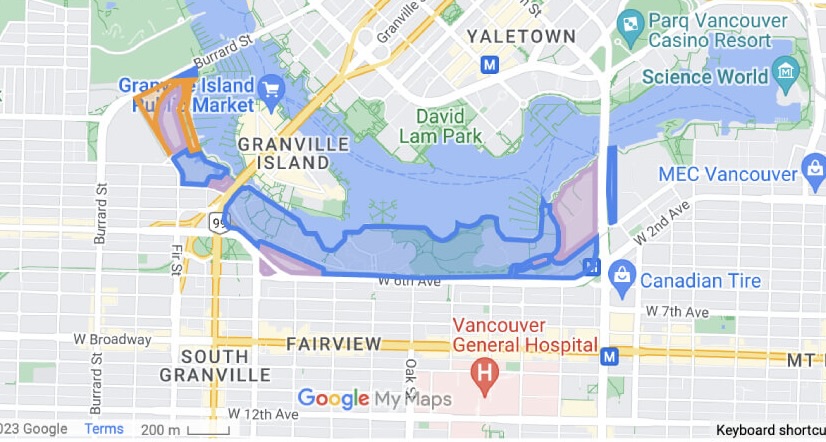
The City of Vancouver (False Creek South, parts of SE Vancouver along the Fraser River).
Universities (UBC and SFU have large areas of leasehold housing).
Corporations (e.g., parts of Vancouver’s West End).
First Nations lands (with varying lease structures).
Private landowners (less common, and often harder to finance).
Advantages of Leasehold
✅ Lower Purchase Price – Usually cheaper than freehold, sometimes dramatically so.
✅ Great Locations – Lets buyers access high-demand neighborhoods like False Creek, UBC, or the West End at a fraction of freehold costs.
✅ Lifestyle Option – Good for buyers who want location and lifestyle now, without focusing on long-term investment.
Disadvantages of Leasehold
❌ Financing Challenges – Mortgages are tied to the length of the lease. If the lease has less than 20–25 years remaining, most major lenders won’t finance it. Private leaseholds can be especially tricky.
❌ Value Decline as Lease Shortens – As the lease runs down, resale becomes harder and values often decrease.
❌ Uncertain End-of-Lease Outcomes – Terms vary by landlord, and renewal costs can be significant.
Prepaid vs. Non-Prepaid Leaseholds
Not all leaseholds are the same:
Prepaid Leasehold: The land lease has already been paid up front (usually factored into the purchase price). You won’t owe monthly lease payments.
Non-Prepaid Leasehold: You’ll pay monthly lease fees in addition to your mortgage, strata fees, and taxes. These leases are more common on First Nations lands and can sometimes have lower upfront purchase prices.
When shopping for leasehold properties, you’ll see terms like:
Leasehold prepaid strata (e.g., a condo with prepaid lease).
Leasehold non-prepaid non-strata (e.g., a detached house with monthly lease fees).
Always review the lease agreement carefully to understand payment structure, renewal terms, and what happens at the end of the lease.
Financing a Leasehold Property
Getting a mortgage on a leasehold is possible but comes with caveats:
Term Limits: Lenders won’t approve a mortgage longer than the remaining lease term. For example, if a lease has 25 years left, you may only qualify for a 15–20 year amortization.
Type of Leasehold Matters:
City- or university-owned leaseholds are easier to finance.
First Nations leaseholds can be more difficult.
Private leaseholds are often the hardest to finance, sometimes requiring private lenders.
Down Payments: Some leaseholds may require a larger down payment than freeholds.
This is why talking to a mortgage broker is essential before making an offer on a leasehold property.
*Keep in mind that leaseholds do not have the three day rescission period after signing a contract that freeholds do. So, work with a buyer’s agent to draft your purchase agreement in a way that covers any concerns and contingencies you may have.
What Happens at the End of the Lease?
Here’s where things get murky, because it depends on the landlord and lease terms:
Renewal Option: Some leases allow renewal for an additional lump sum payment (e.g., False Creek leasehold extensions of 10-20 years offered by the City of Vancouver).
Reversion to Landlord: If no renewal is offered, ownership of the property reverts to the landowner. In some cases, the city has stated it may compensate owners for the “improvements” of the property at market value, but not the land.
Renegotiation: You may have the option to negotiate a new lease, but terms and costs are unpredictable.
Because very few leases in BC have actually expired, there isn’t much precedent, which adds to the uncertainty.
Which One is Right for You?
If you want long-term stability and predictable appreciation, freehold is the safer choice.
If you’re looking for a lower entry price and prime location, and you’re comfortable with the trade offs, a leasehold can be a smart lifestyle move.
The Bottom Line
Leaseholds often look like bargains, and they can be, especially if your priority is location. But the trade offs around financing, resale value, and end-of-lease uncertainty are important to understand. Freeholds, on the other hand, cost more upfront but offer long-term stability and growth.
Whether you’re considering freehold or leasehold, always review the lease agreement, talk to a mortgage broker, and work with a realtor who can guide you through the details. We’re here to help you weigh your options and make the best decision for your goals.