When people start looking for a home in Vancouver, the conversation often starts with square footage, the number of bedrooms, parking and price. All important things, of course.
But after helping people buy and sell homes across Vancouver, we think there's another question worth asking:
What will your everyday life actually look like when you live here?
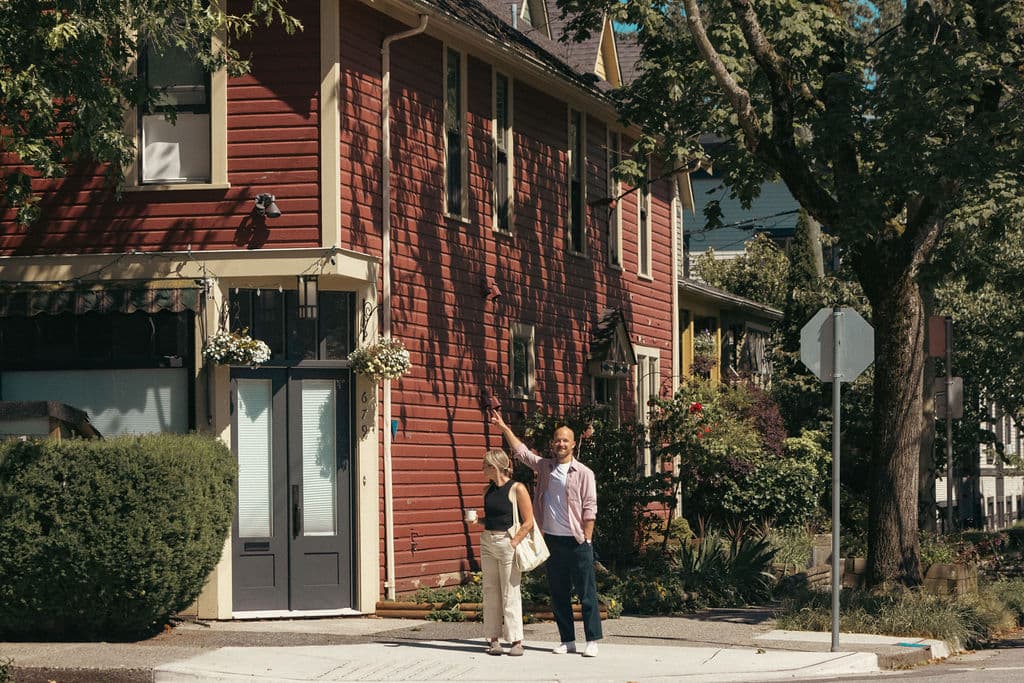
Buying a home isn't just about the property. It's about the neighbourhood you wake up in, the people you see, the places you walk to and the little routines that make a place feel like home.
The short version: when you're choosing a Vancouver neighbourhood, these five things often matter more than the unit itself:
Your 10-Minute Walk: Why Walkable Vancouver Neighbourhoods Matter
Square Footage vs. Location: Is a Bigger Home Worth It?
Community and Street Life: More Than Building Amenities
Your Commute and Daily Routine: How Easy Is It to Get Where You Need to Go?
Living Near Friends and Family: The Value of Being Close to Your People
Let's take them one at a time.
1. Your 10-Minute Walk: Why Walkable Vancouver Neighbourhoods Matter
Think about everything you can reach within a 10-minute walk of your front door.
Can you grab a coffee, pick up groceries, walk your dog, meet a friend at a park or find somewhere to have dinner without getting in your car?
These small conveniences can have a surprisingly big impact on your everyday life. When the places you visit regularly are close by, errands become easier, meeting friends takes less planning and getting outside requires less effort.
Vancouver has plenty of neighbourhoods where this kind of lifestyle is possible.
Kitsilano: Local cafés, independent shops, grocery stores and beach access.
Mount Pleasant: Restaurants, local businesses and the shops along Main Street.
The West End: Grocery stores, cafés, English Bay and Stanley Park within easy reach.
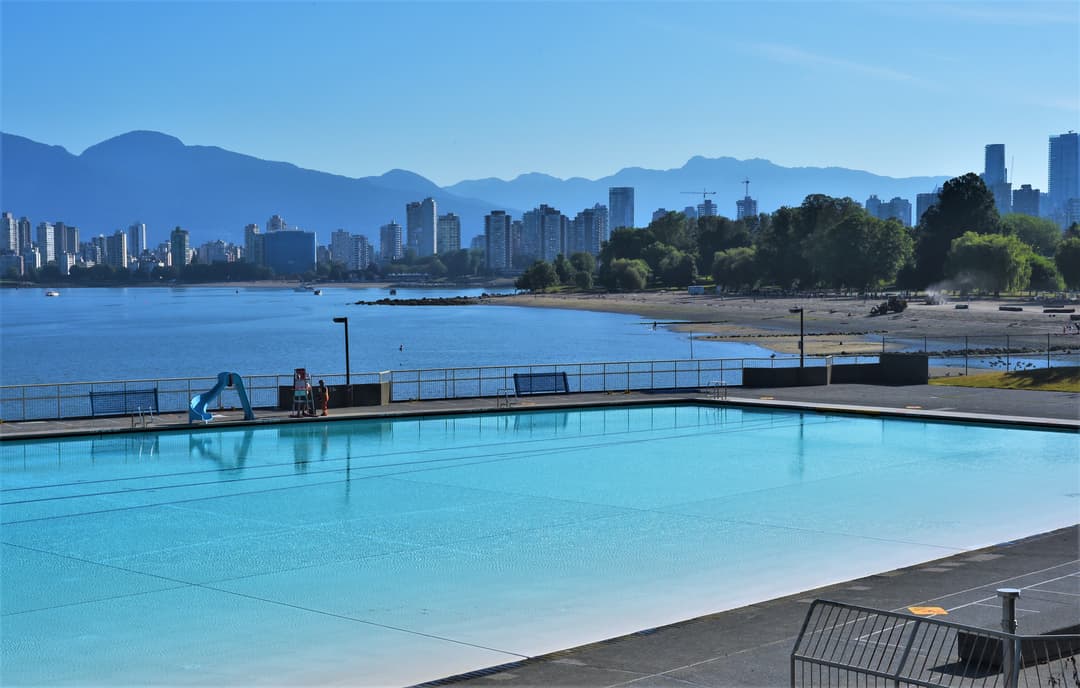
Olympic Village: Seawall access, waterfront public spaces and a growing mix of shops and restaurants.
Of course, walkability means different things to different people. For some buyers, it's about being able to live without a car. For others, it's simply about having a few everyday essentials nearby.
The key is to think about the places you actually visit, rather than relying on a neighbourhood's reputation for being walkable.
Our tip: Before buying, walk the routes you'd use most often. Try getting to the nearest grocery store, transit stop and coffee shop. Check how long it takes in practice, including crossings, hills and busy roads. A place that looks close on a map might feel very different on foot.
2. Square Footage vs. Location: Is a Bigger Home Worth It?
We get it. More space sounds great.
An extra bedroom, a bigger living room, a second bathroom or somewhere to store all the things you've accumulated over the years. There's a reason square footage is one of the first things buyers look at.
But here's the trade-off: sometimes a bigger home means compromising on location.
You might get the extra space but find yourself driving everywhere. Meeting a friend requires planning. Getting to work takes longer. Even a quick errand can turn into a trip across town.
Meanwhile, someone living in a smaller condo in a central Vancouver neighbourhood might be able to walk to work, meet friends for dinner and spend an hour by the water without giving any of it much thought.
One person has more space inside their home. The other may have more time and convenience outside it.
Neither option is automatically better. If you work from home, have kids, need storage or love entertaining, extra space can make a huge difference. If you value convenience, walkability and easy access to the places you enjoy, a smaller home in a better location might suit you more.
It's also worth considering the ongoing costs. A home farther from your regular destinations could mean higher transportation expenses, additional parking costs and more time spent commuting.
Our tip: When comparing properties, look beyond the floor plan and purchase price. Consider your total cost of living, including transportation, and how much time you'll spend getting to the places you need to go. Sometimes the best upgrade isn't another 200 square feet. It's a better location.
Once you've narrowed down a home, our guide to 10 things we would never ignore when viewing a home will help you check the unit itself.
3. Community and Street Life: More Than Building Amenities
Two neighbourhoods can offer similar homes, comparable prices and convenient access to transit, yet feel completely different when you spend time in them.
One might have busy streets lined with cafés, independent shops and people chatting outside local businesses. Another might have quieter residential streets, larger yards and a slower pace of life.
Neither is necessarily better. What matters is which environment feels right for you.
Think about the atmosphere you enjoy. Do you like being in the middle of things, where there's always somewhere to go and people around? Or would you rather come home to a quieter street where you can unwind?
Pay attention to the details that don't appear on a property listing:
How busy are the streets, and does that change throughout the day?
Is there a mix of local businesses and public spaces?
Does the neighbourhood feel comfortable and welcoming to you?
How much traffic, nightlife or construction noise can you hear?
Can you picture yourself spending time outside your home, even when you don't have a particular destination in mind?
These details might seem minor during a quick viewing, but they can shape how you feel about a neighbourhood over time.
Vancouver offers plenty of variety. The energy around Commercial Drive is different from the quieter residential streets of Point Grey. Mount Pleasant has its own mix of local businesses and urban activity, while parts of the West End combine a dense city environment with access to beaches and green space.
Our tip: Visit your shortlisted neighbourhoods more than once. Walk around on a weekday morning, return in the evening and explore on the weekend. If possible, visit in the rain as well as on a sunny day. Pay attention to noise, traffic and the overall atmosphere. You're not just deciding whether you like the neighbourhood for an hour. You're deciding whether you want to live there.
4. Your Commute and Daily Routine: How Easy Is It to Get Where You Need to Go?
A neighbourhood might look perfect on paper, but how well does it fit into your actual life?
Think beyond the distance to work. Consider all the places you visit regularly: the office, school, childcare, gym, sports facilities, medical appointments and the homes of friends or family.
If you commute five days a week, a convenient route could save you hours over the course of a year. If you work from home, being close to cafés, parks or a fitness studio might matter more. If you have children, access to childcare and school can become a major part of your daily routine.
In Vancouver, it's also worth looking at your transportation options.
Living near a SkyTrain station or a frequent bus route can make getting around much easier, particularly if you want to reduce your reliance on a car. Cycling routes, walkability and access to major roads may also influence your decision, depending on where you need to go.
And don't assume that a shorter distance always means a shorter commute. A few kilometres across the city can take longer than a much longer trip along a direct transit route.
Our tip: Test your regular journeys before committing to a neighbourhood. Check public transit routes and travel times during rush hour, not just in the middle of the day. If you drive, consider traffic, parking and the cost of keeping a car. If you're planning for a growing family, think about how your routine might change over the next few years.
A location that works for your life today should ideally have room to work for the life you're building, too.
5. Living Near Friends and Family: The Value of Being Close to Your People
This might be the most overlooked factor in choosing where to live.
We spend a lot of time comparing properties, researching neighbourhoods and calculating what we can afford. But how often do we consider where the people we care about actually live?
If your closest friends are in East Vancouver and you buy a home farther out in the suburbs, how often will you realistically see them? If your family lives nearby, how much would it mean to pop over for dinner without turning it into a major logistical exercise?
For some buyers, proximity to family also means practical support. It might mean having grandparents nearby when you have kids, being able to help a family member or simply knowing that the people you care about are a short trip away.
Of course, there are plenty of reasons to live farther away. Budget, work, family needs and the type of home you want all matter. Sometimes the right home means compromising on location.
But proximity can make spontaneous connections easier. A quick coffee becomes possible. Dinner plans don't require an hour of travel. You can show up for the little moments, not just the big occasions.
And those little moments are often what make life feel full.
Our tip: Before narrowing down your search, think about the people you want to see regularly. Map out where your closest friends, family and support network live. You don't necessarily need to be around the corner, but understanding how location affects those relationships can help you make a more informed decision.
Living near friends and family might not increase your home's resale value, but it could add a lot to your quality of life.
BONUS: Before You Buy: Look Beyond What the Neighbourhood Is Like Today
One final consideration is worth keeping in mind: neighbourhoods change.
New developments, transit improvements, zoning changes and new businesses can all influence how an area evolves. These changes may bring better amenities and improved connections, but they can also mean construction, additional traffic or a different feel on your street.
If you're buying a home you plan to keep for several years, it's worth understanding what's happening around it.
Look into planned developments and transportation projects, particularly those close to the property. For condo buyers, remember that the immediate surroundings matter as much as the broader neighbourhood. A unit facing a quiet street today might have a different outlook if a nearby site is redeveloped.
It's also worth thinking about future resale appeal. You can't predict the market or guarantee appreciation, but a location that offers useful amenities, transportation options and access to everyday necessities may appeal to a broader range of future buyers.
The goal isn't to predict exactly what a neighbourhood will become. It's to understand what you're buying into.
Our tip: Ask your realtor about planned developments nearby and research relevant city planning information. If a particular view, quiet street or nearby green space is important to you, investigate whether it could change.
So, What's the Best Neighbourhood to Live in Vancouver?
There isn't one answer. The best Vancouver neighbourhood for you depends on your priorities, budget, lifestyle and the people you want around you.
For some buyers, that means a larger home with a yard and room for a growing family. For others, it's a smaller condo in a walkable neighbourhood close to restaurants, transit and the beach.
Some people thrive in busy, urban neighbourhoods. Others prefer quieter residential streets. Some prioritize being close to work, while others want to be near family or have easy access to the outdoors.
Neither choice is inherently better. What matters is finding the balance between the home you want and the life you want to live.
Before you start comparing square footage or counting bedrooms, try this simple exercise. Write down the three things that would make the biggest difference to your everyday life. Maybe it's a shorter commute, being able to walk to groceries or having more time to spend with friends.
Then use those priorities to narrow down your neighbourhood search.
As realtors in Vancouver, we believe buying a home should be about more than finding the right property. It's about helping you find a place where your everyday life works.
So ask yourself one question: What do I want my life to look like when I walk out my front door?
Start there, and you might be surprised by what ends up at the top of your home-buying list.
Frequently Asked Questions
How do I choose the right neighbourhood in Vancouver?
Start with how you want to live day to day, not just the home itself. Consider walkability, commute times, transportation, community, nearby amenities and where your friends and family live. Visit your shortlisted neighbourhoods at different times of day before deciding.
What should I look for when visiting a Vancouver neighbourhood?
Look beyond the properties for sale. Check nearby grocery stores, transit routes, parks, noise levels, traffic and local businesses. Visit on weekdays and weekends to get a more realistic sense of the area.
Is a smaller condo in a good location better than a bigger home farther out?
It depends on your needs and priorities. Extra space can be valuable if you have children, work from home or need storage. A smaller home in a central location may offer more convenience and reduce your reliance on a car. Compare the full cost of living and the daily trade-offs before deciding.
How important is transit access when buying a home in Vancouver?
Transit access can be especially valuable if you commute regularly or want to reduce your dependence on a car. Consider the distance to the nearest SkyTrain station or bus stop, service frequency and the actual journey to your regular destinations.
Should I consider future development when choosing a neighbourhood?
Yes. Planned developments, transportation projects and zoning changes can affect traffic, amenities, views and the character of an area. Research nearby projects and consider how potential changes might affect your enjoyment of the property and its future resale appeal.
Are building amenities or neighbourhood amenities more important?
Both can be useful, but their value depends on how you live. A gym or rooftop patio can be convenient, while nearby parks, shops, cafés and transit can make everyday life easier. Think about which amenities you'll genuinely use and how often.
Looking for a Home in Vancouver?
At Team Toly & Josie, we help buyers find homes that fit their lifestyle, not just their wish list. Whether you're buying your first condo, upsizing for a growing family or looking for a neighbourhood that feels more like you, we're happy to help you figure out what makes sense.
Explore our Vancouver home-buying resources, starting with Buying Your First Home in Vancouver: From Start to Finish, or get in touch with us to talk about what you're looking for.
Team Toly & Josie | TRG Realty
People over profit. Community over competition. Service over sales.